
Northern Greece Pictures
History, archaeology and photos of Greek Macedonia and northern Greece
For the majority of tourists, their trip to Greece stops short of northern Greece. They tend to ignore this area due to its distance from Athens, most of the archaeological excavation taking place here is relatively new and people are unaware of the important and abundant archaeological treasures, ruins and rich culture that can be found in Greek Macedonia. Before I planned my trip to northern Greece, I knew that there were a lot of ancient sites to visit, but I was unaware of their significant historical importance. There are simply too many historical and cultural sites to visit and experience. The area is rich in culture as seen through their artwork, architecture, funerary items and rituals, and their intricate mosaics. I will briefly summarize the rich history and sites that you can visit.
Vergina
One of the most important archaeological sites in all of Greece can be found in Vergina. Not only is Vergina the site of Macedonia's first capital Aegae, it is also the site of the tomb of Alexander the Great's father King Philip II of Macedon and as well as other royal tombs which is now a museum. The Macedonians used to bury their royalty and nobility in elaborate tombs or monuments. They sort of resemble miniature temples or large mausoleums. You can view an example by clicking on thumbnail of the Tomb of Anthemia. You can see how beautiful this temple is and the importance of funerary rituals for burials during this period in history. The Macedonian tradition was to bury the dead in these elaborate tombs and then cover them with soil for eternity. All you would see would be mounds of earth dotting the landscape.
The museum in Vergina is unique because it has covered the burial site from the elements and maintained the tombs in situ for everyone to see. There you'll see 3 royal tombs, including Philip II's, various gold, silver and ivory artifacts, wartime items, reliquaries and other daily artifacts. The finds from these tombs are amazing to see. They are intricate, beautiful and shows that a lot of wealth and skill was required to create them. Although some items can be seen here, the majority of the artifacts from Vergina can be found in the Archaeological Museum of Thessaloniki. Unfortunately I do not have any photos from the Vergina museum as we were not allowed to take photographs, so I was forced to buy a very good book with many quality photos of Vergina and the history of the place.
Thessaloniki
Thessaloniki has many places to visit from museums to churches, Roman and Byzantine ruins. Begin by visiting the Archaeological Museum of Thessaloniki where you'll find the majority of artifacts from Vergina as well as other parts of Macedonia and Thessaloniki. One church worth noting is Ayios Dhimitrios and be sure to see the crypt. Other sites worth taking a look at include the remnants of the wall surrounding parts of the city from the Byzantine period, the Palace of Galerius, and the various Roman ruins that have been excavated or are currently being excavated.
Pella and the Museum
Under King Archelaus, the capital was moved to Pella. Here you can visit the ruins and the museum where you'll see beautiful and intricate pebble floor mosaics. Some are left outside in situ while others have been relocated into the museum. One of these can be seen in.
Dion
Dion is located in the foothills of Mount Olympus and is the sacred city of the Macedonians with it's temples, sanctuaries to Zeus, Demeter, Artemis and later to foreign gods such as Isis and Serapis. This is where Alexander and Philip came to make their sacrifices before their expeditions. The excavations at this site began in the 1990's, so the finds are relatively new. Here you will see beautiful mosaics, sanctuaries, various ruins and Roman baths. See first two photos for examples.
Philippi
Philippi named after Philip II is historically significant. The fate of the Roman empire was determined here at the Battle of Philippi in 42 BC. St Paul visited here in 49 AD. You can see the prison of St Paul and Philippi was the beginning of his mission in Europe. The ruins consist of Roman buildings, the Roman road Via Egnatia, a theatre and churches. One of these was the first domed church which caved in. It structurally failed soon after it's construction.
This is just a brief summary with photographic examples of what you can see and learn in Greek Macedonia. You'll be amazed during your visit. It's an historically and culturally rich area in Greece. I recommend that you do your research to famaliarize yourself with northern Greece before you visit, there is so much to see here.
 *** Dion - Roman Baths
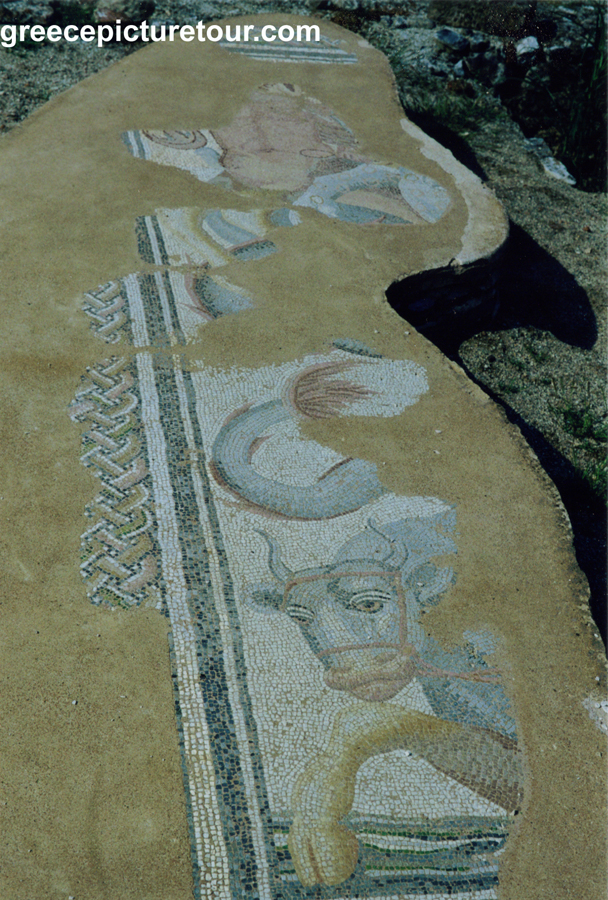 *** Dion - Mosaic in situ
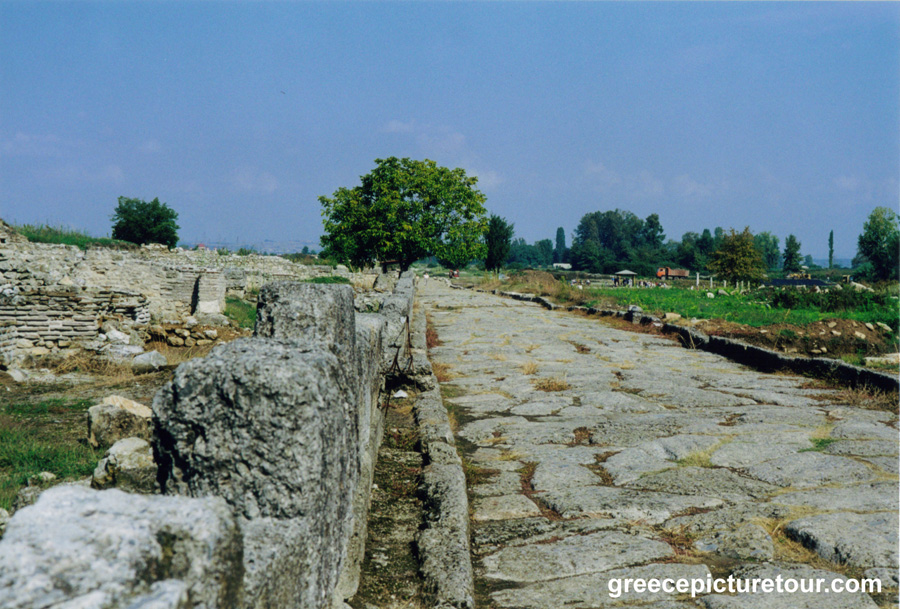 *** Dion ruins and ancient sewer system
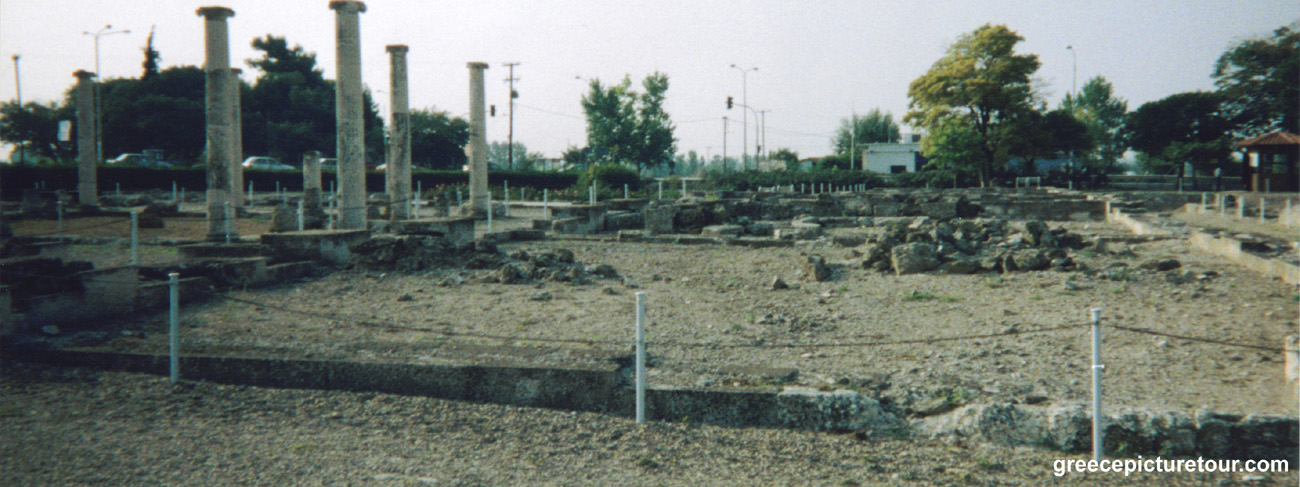 *** Pella panorama view
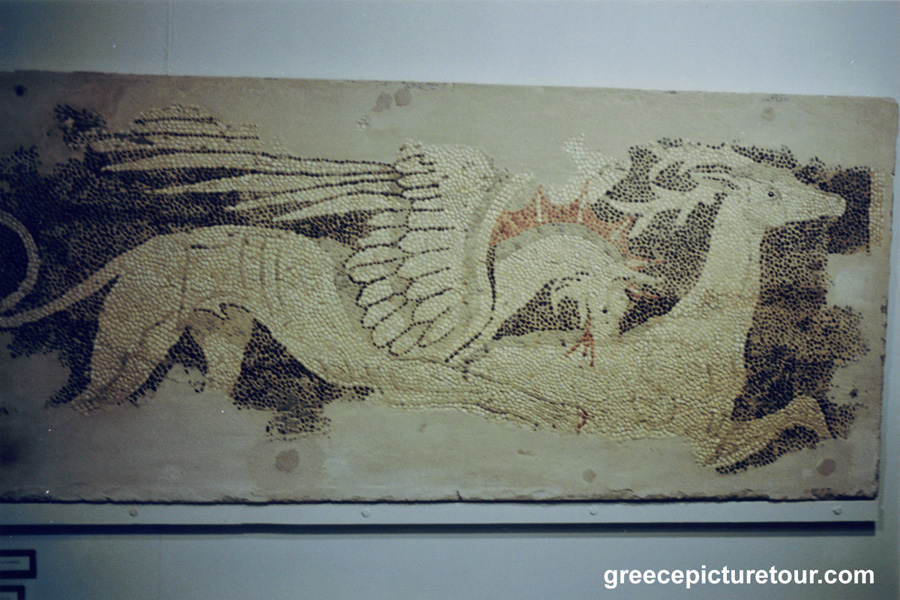 *** Griffin attacking deer mosaic at the Pella Museum
 ***Floor Mosaic
 *** Pella Museum - Lion Hunt Mosaic
 *** Pella - Stag Hunt Mosaic
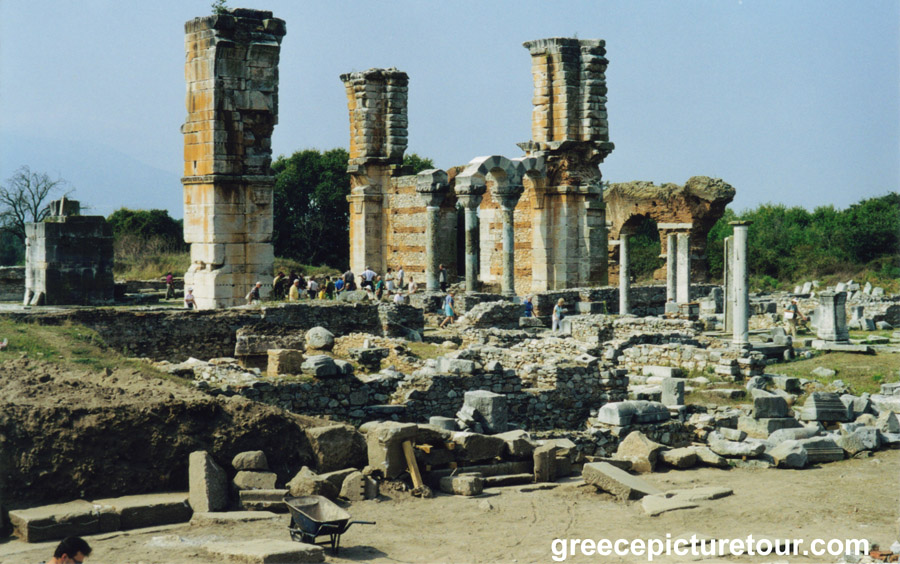 *** Philippi - Basilica
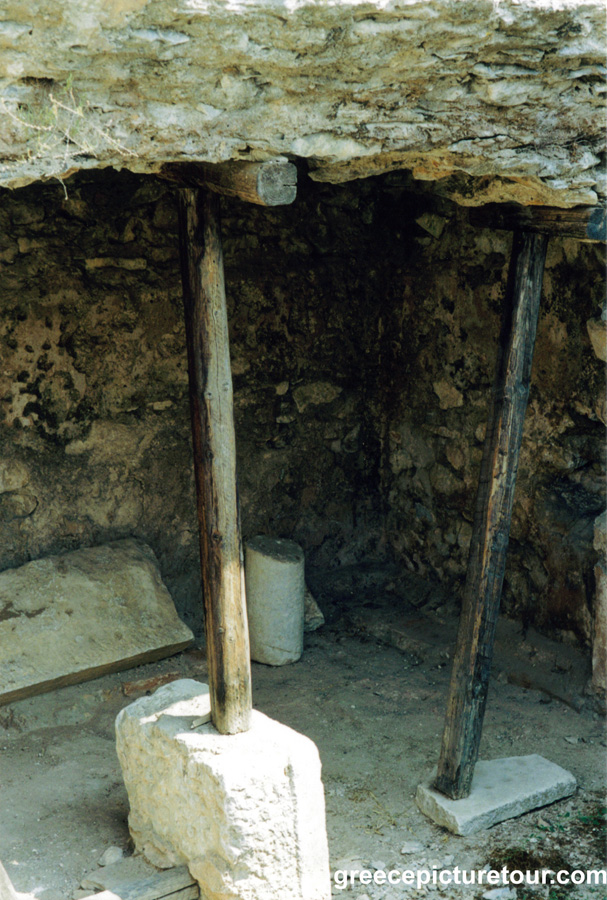 *** Supposedly the jail cell of St Paul
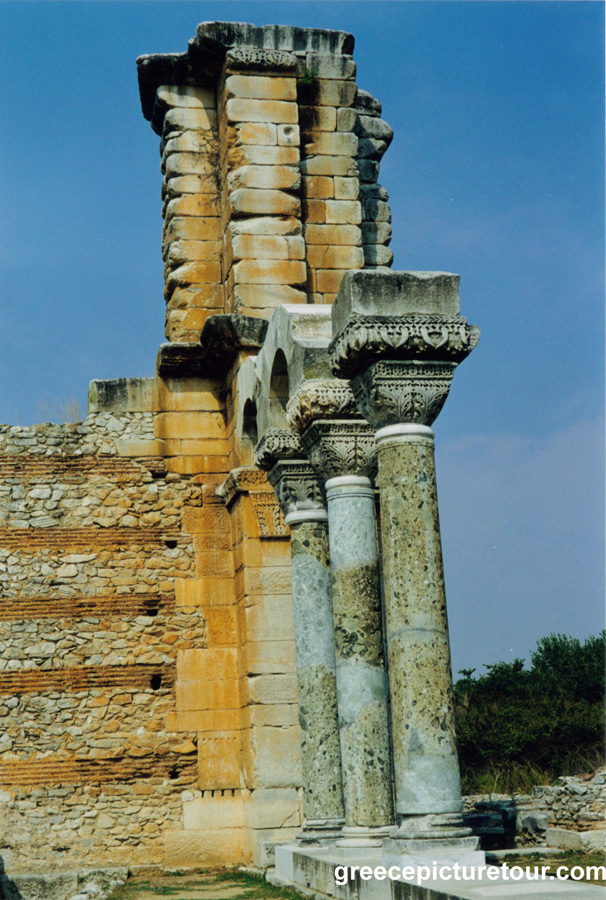 ***Remnants of a church Basilica walls and pillars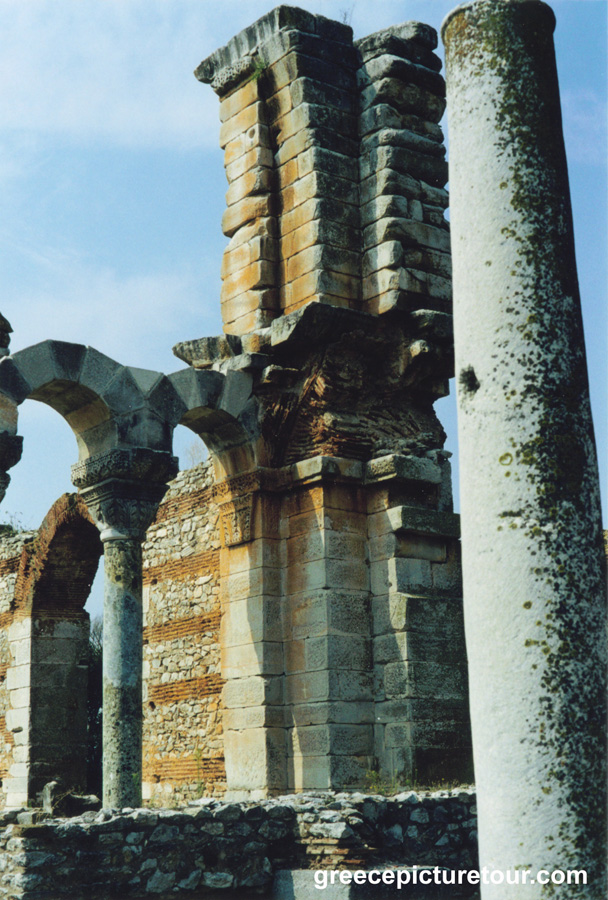
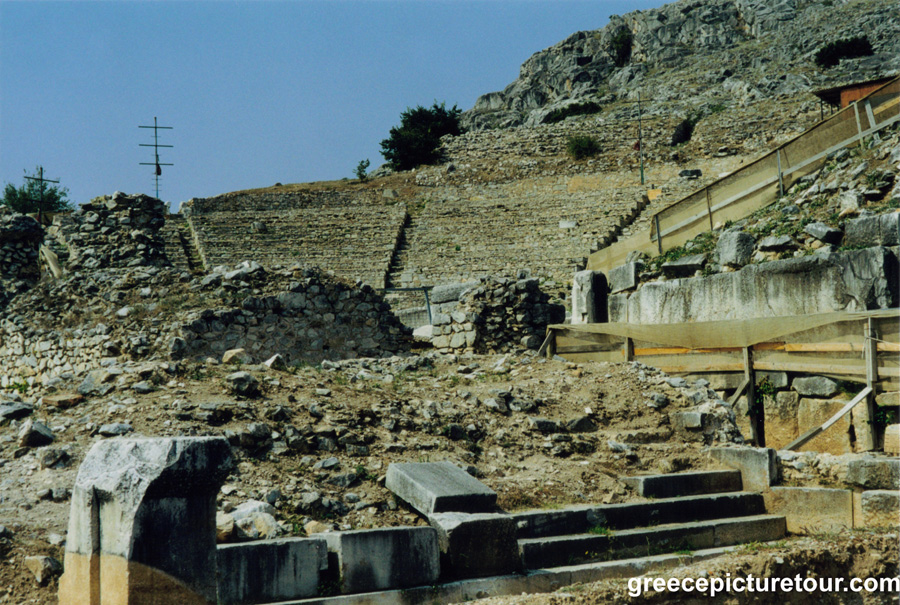 *** Amphitheater at Philippi
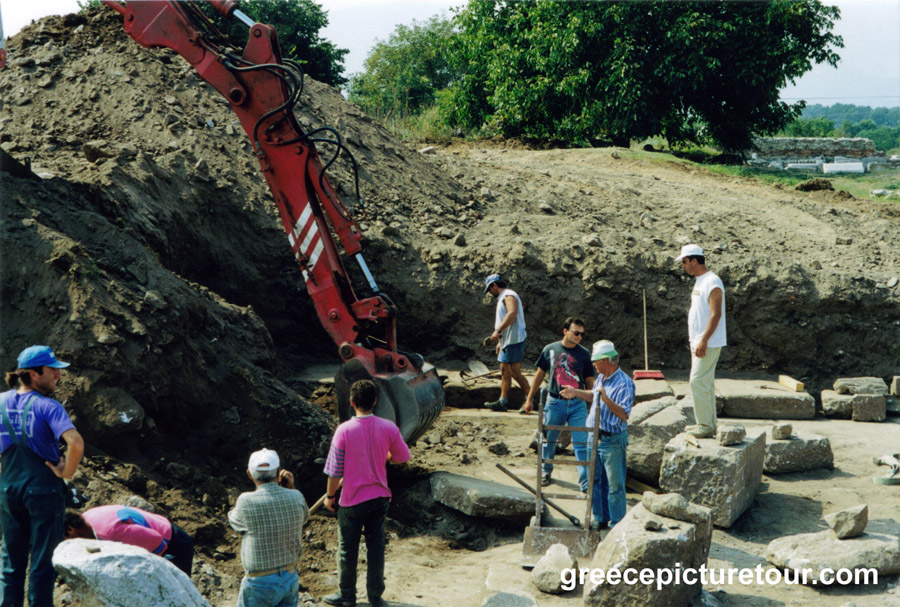 *** Archaeological excavation in progress of a Roman road in Philippi
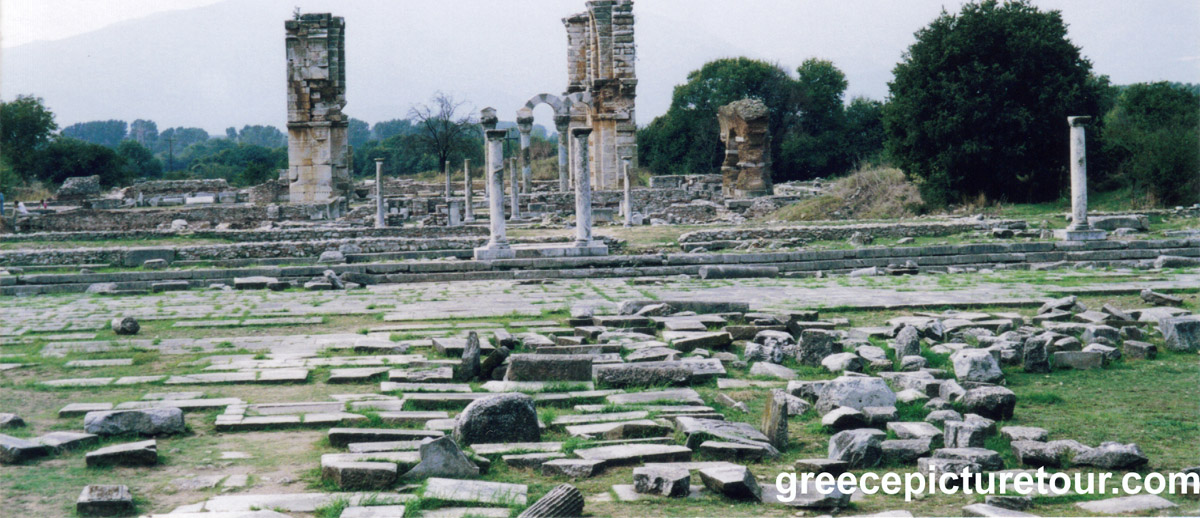 *** View of Ancient Philippi Around Vergina
 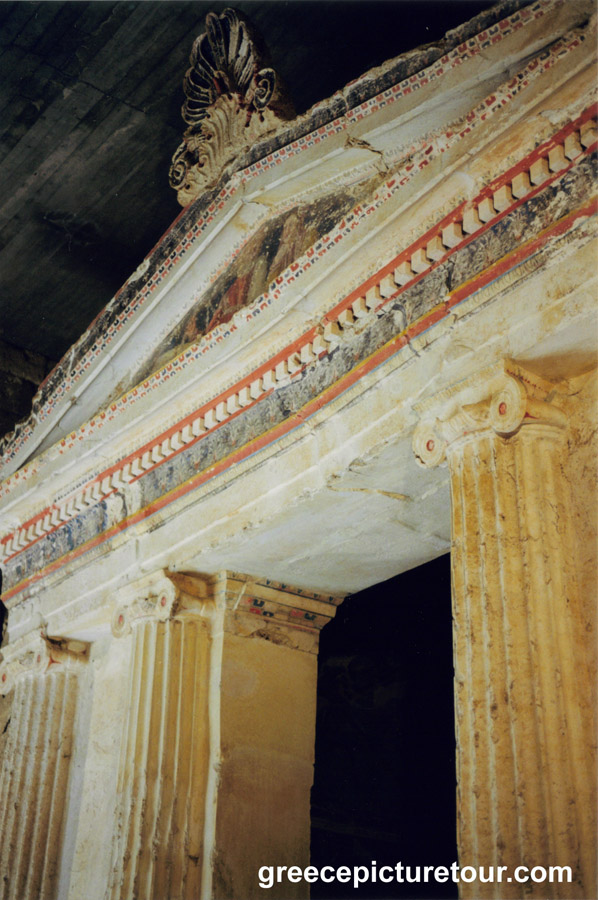 *** Macedonian Tomb of Anthemia
 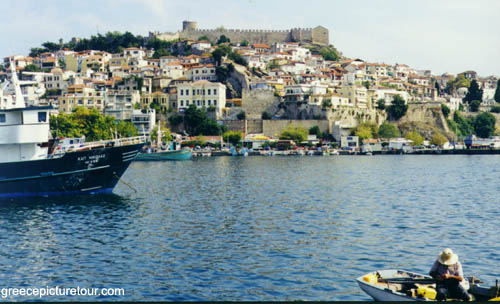 *** Picturesque port of Kavala with Turkish fort on hilltop
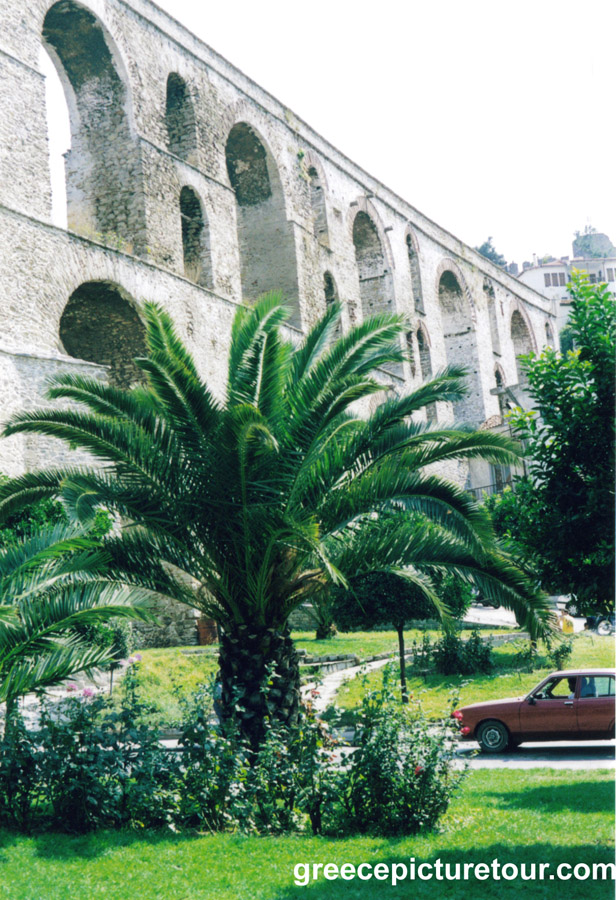 *** Aqueduct in Kavala
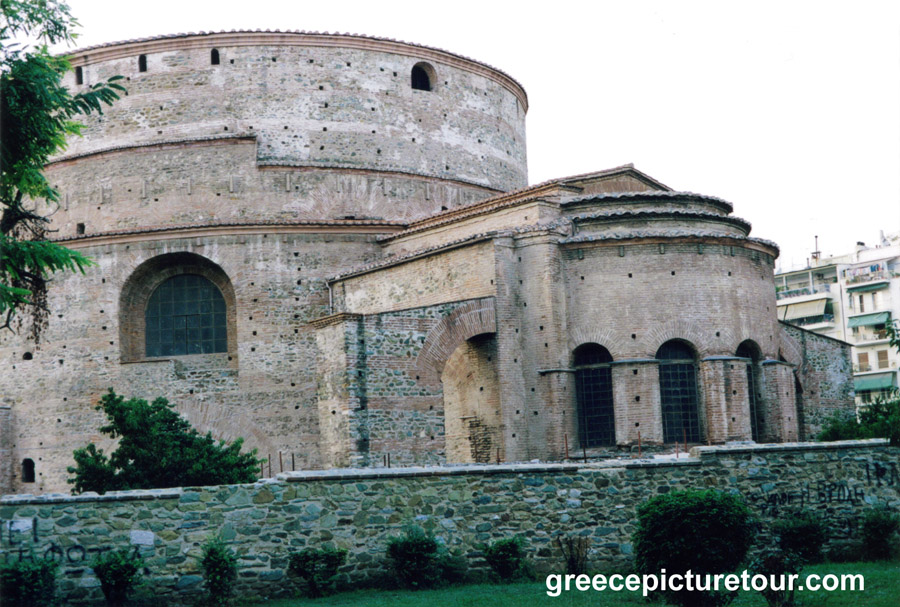 *** Thessaloniki - Rotunda of Galerius
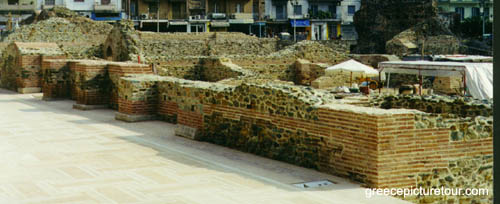 *** Palace of Emperor Gallerius
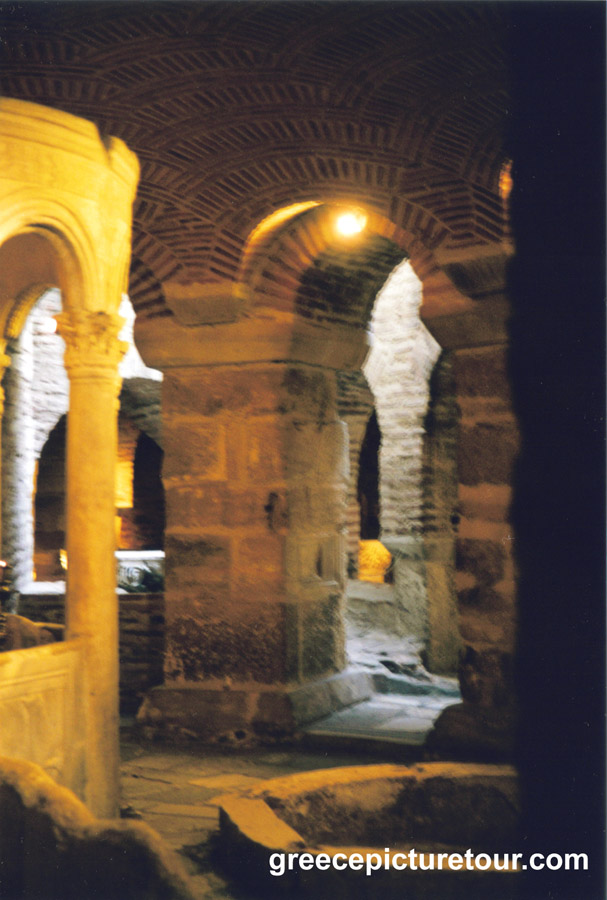 *** Thessaloniki - Crypt of St Demetrios Church
 *** Holy water holy oil fountain
 *** Remnants of Byzantine walls around Thessaloniki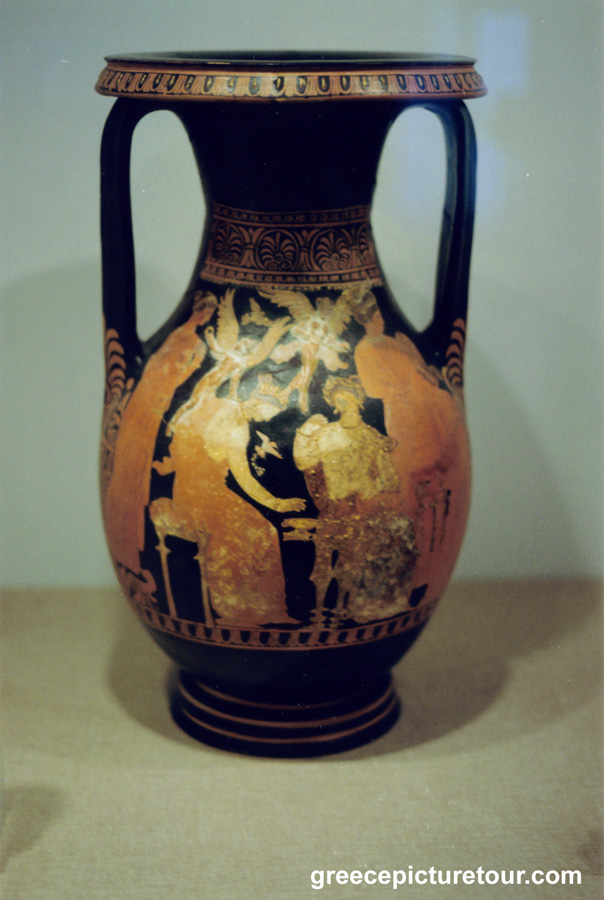
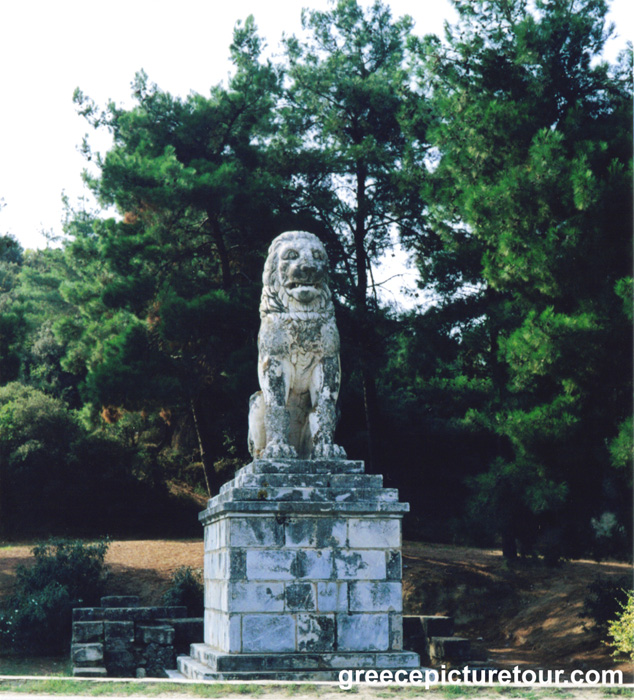 *** Lion of Amphipolis - literally situated in the middle of nowhere
